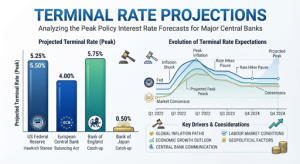
The Federal Reserve’s latest projections have pushed the idea of a “terminal rate” back into the center of economic and market debate. Released after the
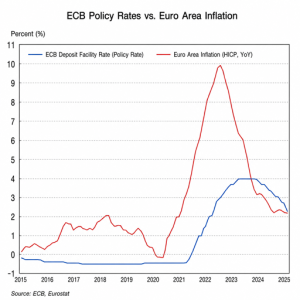
As of October 7, 2026, the European Central Bank’s current policy setting is restrictive again: the Governing Council raised all three key ECB interest rates
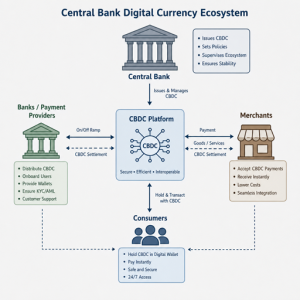
Central bank digital currencies are moving from policy papers into pilots, public debate, and real payment experiments. For consumers, businesses, banks, and crypto investors, the
Institutional-grade liquidity execution is the disciplined process of accessing deep, reliable liquidity while controlling cost, speed, risk, and market impact. For firms operating in institutional
Gold and the U.S. dollar are two of the most watched forces in global markets, and their relationship can influence how investors interpret risk, inflation
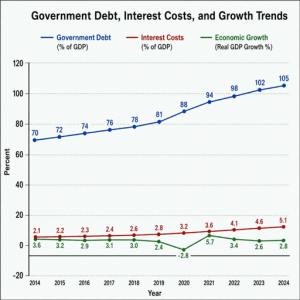
Sovereign debt sustainability is the ability of a government to meet its current and future debt obligations without resorting to disruptive policy changes, default, or
Energy prices and petro-currencies are closely connected because oil, gas, and other fuels are still priced, traded, and financed through global currency relationships. When fuel
Germany’s shift toward looser fiscal policy has become one of the most important macro stories for the euro area. A large infrastructure fund, higher defense
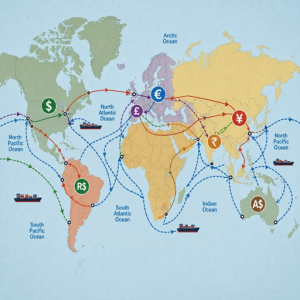
Global supply chain disruptions affect foreign exchange because they change the cost, timing, and currency exposure of international trade. When freight, energy, inputs, or inventory