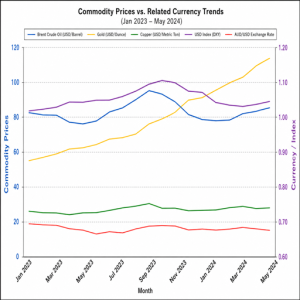
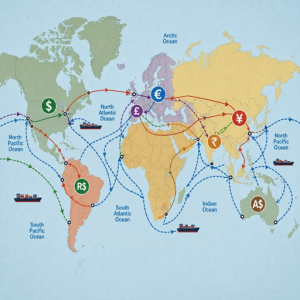
Commodity-linked currencies are national currencies that tend to move with the price cycles of major exported raw materials such as oil, metals, agricultural goods, or
Precious metals safe-haven demand rises when investors want assets that may hold value through uncertainty, market stress, inflation concerns, or currency weakness. Gold usually gets
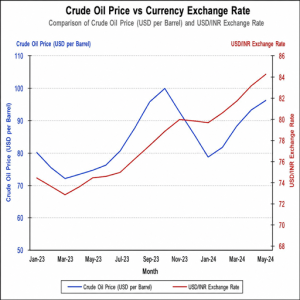
Crude oil is more than an energy commodity. Because it affects trade balances, inflation expectations, government revenue, and investor sentiment, oil market volatility can quickly
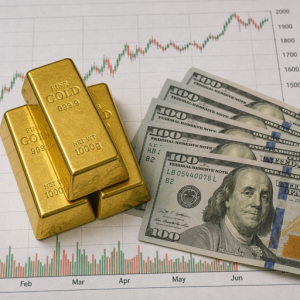
Gold and the U.S. dollar are two of the most watched forces in global markets, and their relationship can influence how investors interpret risk, inflation
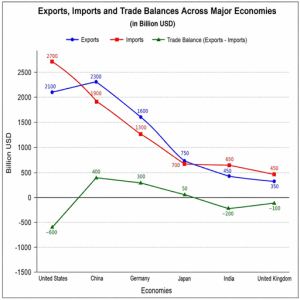
International trade balance reports released in September show a world economy still trading at high speed, but with sharper differences between goods, services, and major
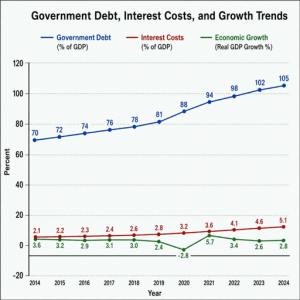
Sovereign debt sustainability is the ability of a government to meet its current and future debt obligations without resorting to disruptive policy changes, default, or
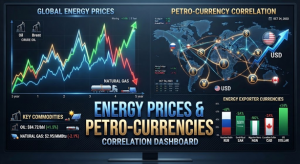
Energy prices and petro-currencies are closely connected because oil, gas, and other fuels are still priced, traded, and financed through global currency relationships. When fuel
Germany’s shift toward looser fiscal policy has become one of the most important macro stories for the euro area. A large infrastructure fund, higher defense
Global supply chain disruptions affect foreign exchange because they change the cost, timing, and currency exposure of international trade. When freight, energy, inputs, or inventory