
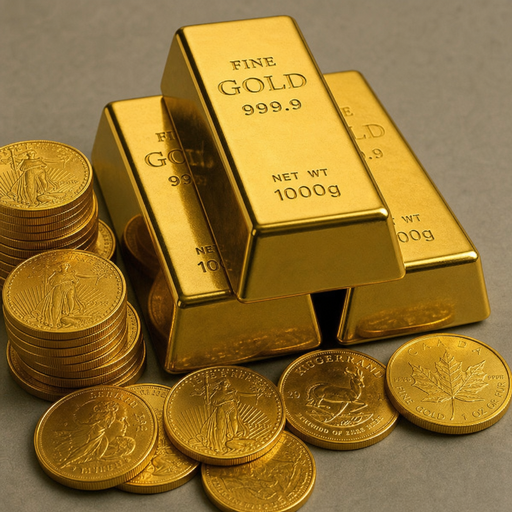
Precious metals safe-haven demand rises when investors want assets that may hold value through uncertainty, market stress, inflation concerns, or currency weakness. Gold usually gets the most attention, but silver and other metals can also play a role depending on an investor’s goals, time horizon, and risk tolerance. This article explains why safe haven precious metals attract interest, how they differ from other assets, and what to consider before making a precious metals investment.
Why do investors turn to precious metals in uncertain markets?
Investors turn to precious metals because they are tangible, globally recognized stores of value that are not tied to the creditworthiness of a single company, government, or financial institution. When confidence weakens in stocks, bonds, currencies, or economic growth, safe haven demand precious metals can increase as people look for assets that feel more durable and independent.
That does not mean precious metals always rise when markets fall. Prices can move for many reasons, including interest rates, currency trends, liquidity needs, investor sentiment, and supply-demand conditions. Still, metals have a long history of being viewed as defensive holdings, especially gold, which is why investment in gold often becomes a central topic during periods of financial stress.
The meaning of safe haven assets
Safe haven assets are investments that investors expect to preserve value, or at least reduce portfolio damage, when riskier markets are under pressure. They are not risk-free. Instead, they tend to be valued because they may behave differently from equities, speculative assets, or currencies during unstable periods.
Precious metals fit into this conversation because they are physical commodities with global markets and widely understood value. Gold is commonly treated as the leading safe haven metal because it is highly liquid, easy to recognize, and less tied to industrial demand than some other metals. Silver, platinum, and palladium can also attract attention, but their price behavior may be more influenced by manufacturing demand and supply constraints.
Common safe haven assets may include:
- Gold: Often used as a defensive holding and a hedge against confidence shocks.
- Silver: More affordable per ounce than gold, but typically more volatile because it has both investment and industrial demand.
- High-quality government bonds: Often used for capital preservation, though performance depends on interest rates and inflation expectations.
- Cash or cash equivalents: Useful for liquidity, but vulnerable to inflation and currency depreciation.
- Certain defensive currencies: Sometimes favored in global stress, though currency markets can shift quickly.
Precious metals are different because they do not generate income. Their role is usually about preservation, diversification, and potential protection rather than yield.
Drivers behind safe haven demand for precious metals
Precious metals safe-haven demand rarely comes from one single event. It usually builds when several risks overlap and investors start looking for assets outside the standard financial system.
Economic uncertainty
Concerns about recession, slowing growth, banking stress, or corporate earnings can lead investors to seek stability. In these moments, metals may appeal because they are not shares in a business and do not depend on a company’s profits. This is one reason investors buy precious metals as a safe haven during periods when confidence in traditional markets weakens.
Inflation and currency concerns
When people worry that money will lose purchasing power, they may look for assets with scarcity value. Gold, in particular, is often discussed as a hedge against long-term currency erosion. That does not guarantee short-term price gains, but it helps explain why precious metals investment becomes more attractive when inflation expectations are elevated.
Geopolitical tension
Wars, trade disputes, sanctions, and political instability can increase demand for portable, globally recognized assets. Precious metals may benefit from this kind of uncertainty because they are not dependent on one country’s financial system. For some investors, that independence is as important as price performance.
Market volatility
Sharp stock market swings can push investors to rebalance into assets perceived as more defensive. Metals may be used to diversify portfolios because they can respond differently from equities. The goal is not to eliminate risk, but to avoid being overexposed to one type of market movement.
How precious metals fit into an investment strategy
A precious metals investment can serve several purposes, but the right approach depends on the investor. Some people want a long-term store of value. Others want short-term exposure during turbulent markets. Some prefer physical bullion, while others use funds, mining stocks, or other financial products.
Before choosing an approach, it helps to separate the reason for owning metals from the method of owning them.
Potential reasons to own precious metals:
- Diversification: Metals may behave differently from stocks and bonds.
- Wealth preservation: Physical metals can provide a tangible store of value.
- Inflation concern: Gold and silver are often considered when purchasing power is under pressure.
- Crisis protection: Safe haven precious metals may appeal during financial or geopolitical stress.
- Portfolio balance: A modest allocation may reduce reliance on traditional assets.
Common ways to gain exposure:
- Physical coins or bars: Direct ownership, but requires storage, insurance, and careful buying.
- Exchange-traded products: Easier to trade, but investors should understand fees, structure, and whether the product tracks physical metal.
- Mining stocks: Can offer leverage to metal prices, but also carry company-specific risks.
- Precious metals funds: May provide diversified exposure across metals or related companies.
Each option has trade-offs. Physical metal offers control, while financial products may offer convenience and liquidity. Mining stocks can move differently from the metal itself, especially when operational costs, management decisions, or broader equity-market conditions affect performance.
What are the risks of relying on precious metals as a safe haven?
Precious metals can support a defensive strategy, but relying on them too heavily can create new risks. Prices can be volatile, metals do not pay dividends or interest, and investor sentiment can shift quickly once market fear fades.
Storage is another practical issue for physical buyers. Coins and bars need to be kept secure, and transaction costs can reduce returns if spreads are wide. For funds and securities, investors should understand management fees, tracking differences, and the structure of the product.
It is also important to avoid treating metals as a prediction tool. A rise in gold or silver may signal anxiety, but it does not always mean a crisis is coming. Likewise, falling metal prices do not always mean risk has disappeared. Precious metals are best viewed as one part of a broader plan, not as a complete portfolio on their own.
A practical checklist before investing
Before responding to safe haven demand precious metals headlines, investors can slow down and review the basics. A clear checklist helps prevent emotional buying when markets feel unsettled.
- Define the goal: Are you seeking diversification, inflation protection, crisis liquidity, or speculation?
- Choose the metal carefully: Gold, silver, platinum, and palladium do not all behave the same way.
- Decide on the vehicle: Physical bullion, funds, and mining shares come with different risks.
- Review costs: Include premiums, storage, insurance, fund expenses, spreads, and taxes where applicable.
- Set an allocation range: Avoid letting fear push metals beyond a level that fits your plan.
- Plan an exit strategy: Know whether you intend to hold long term, rebalance, or sell after a specific condition changes.
- Consider professional guidance: Tax, estate, and portfolio implications can vary widely.
This process turns precious metals investment from a reaction into a strategy. It also helps investors avoid buying simply because demand is rising or headlines are intense.
The balanced takeaway
Precious metals safe-haven demand reflects a basic investor instinct: when uncertainty grows, people look for assets that may preserve value outside the usual financial channels. Investment in gold often leads that conversation, but silver and other metals may also have a role depending on objectives and risk tolerance.
The strongest use of safe haven precious metals is usually as a measured part of a diversified portfolio. They can offer resilience, but they also bring volatility, costs, and no guaranteed outcome. A thoughtful approach focuses less on fear and more on purpose: why you are buying, how much exposure makes sense, and how the holding fits into your wider financial plan.